

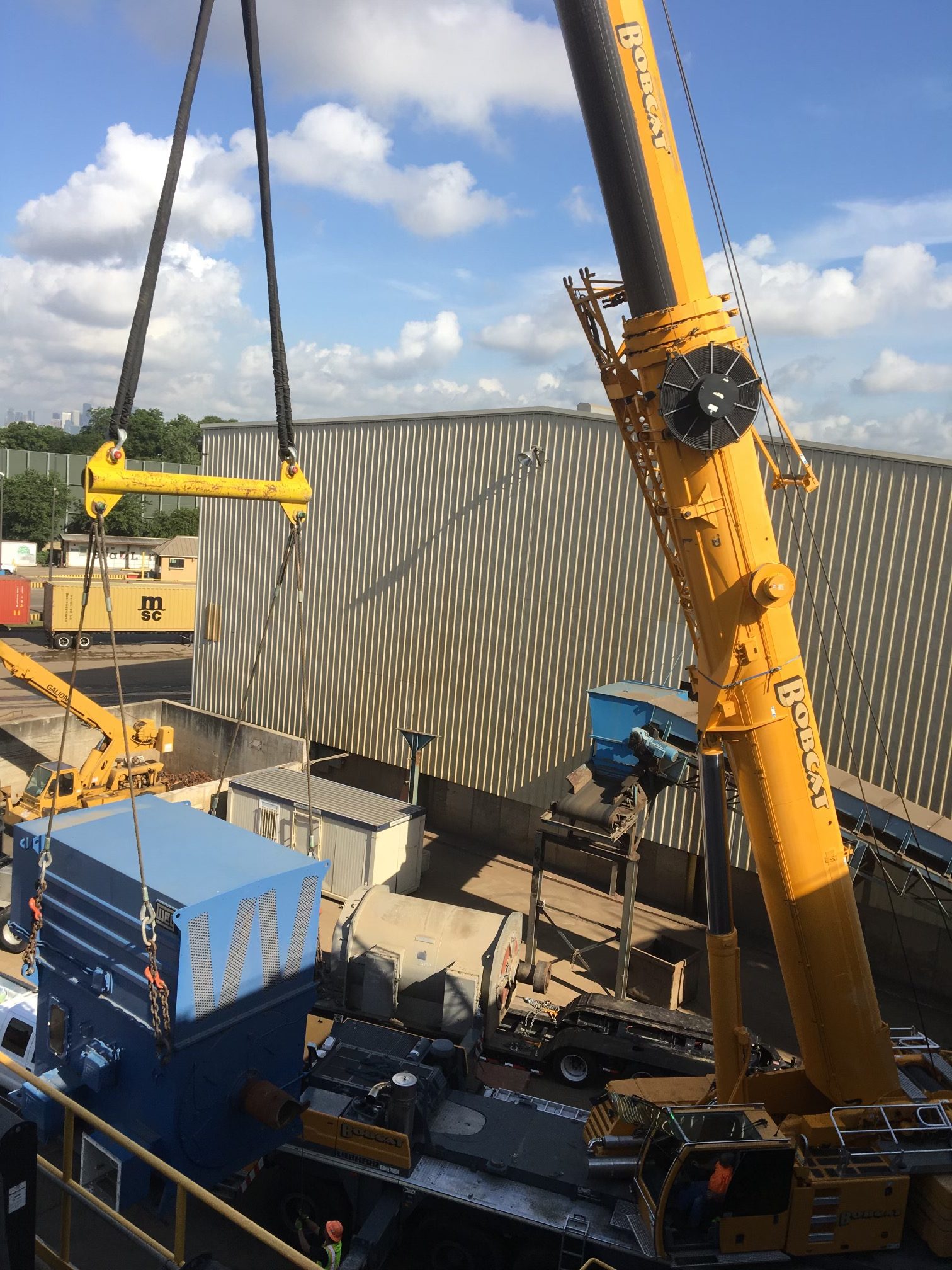
Cranes are essential on jobsites where materials must be lifted, positioned, and handled with precision. Whether you are managing a construction project, industrial expansion, or energy installation, the right crane affects timelines, safety, and total cost. Many teams considering crane rental in San Antonio find the process more complex than expected because the equipment landscape is so diverse.
In this guide, we’ll explore how different cranes work, how load charts influence selection, and what to evaluate when renting or buying a crane in San Antonio.
Understanding the Different Types of Cranes
Choosing a crane begins with knowing the categories available and what each is built to do. Most projects revolve around the following groups:
- Mobile cranes, valued for maneuverability and rapid setup across uneven or tight jobsites
- Rough-terrain cranes, engineered for off-road conditions where stability is critical
- Crawler cranes, designed for heavy loads and long-term projects requiring high lifting capacity
- All-terrain cranes, useful for projects that move between paved and off-road environments
- Tower cranes, ideal for vertical construction where height and reach matter
Beyond these core categories, specialty cranes support unique or high-precision tasks. For example, hydraulic truck cranes allow fast relocation between lift points and are popular for utility work, plant maintenance, and smaller construction projects. Knuckle boom cranes, in turn, offer articulated movement that helps crews place loads in confined or obstructed areas where straight-boom cranes cannot operate efficiently.
Overview of Load Charts and Weight Limits
A crane’s load chart is the blueprint for safe lifting. These charts outline maximum allowable weight at various boom lengths, radii, and configurations. Every operator and project manager should review them before scheduling lifting activities.
Weight limits are not optional guidelines. They reflect the maximum force the crane’s components can withstand under specific conditions. Even minor miscalculations can lead to tip-overs, structural damage, or serious injury. Proper planning means confirming:
- The weight of every item being lifted, including rigging
- The radius of the lift from the crane’s center
- Ground stability at the planned setup location
Teams that master load chart interpretation reduce risks and ensure a smoother workflow. Often, the safest choice is to select a crane with more capacity than the minimum required. This gives the operator flexibility if lift variables change, particularly when materials shift in weight due to moisture, attachments, or unexpected angles.
What to Consider When Selecting a Crane
The right crane depends on more than height and capacity. Project environment, material type, and site access shape the decision. To make a sound choice, evaluate:
- Jobsite terrain, including soil type, elevation, and available space
- Lift frequency, since high-volume lifting may justify a larger or more advanced crane
- Weather exposure, especially wind load considerations on tall or long-boom equipment
Other factors can influence performance once work begins. Urban projects often require cranes with compact footprints, minimal tail swing, and quiet operation due to noise and space restrictions. Industrial and petrochemical sites may call for cranes with specific certifications or safety features, particularly when handling sensitive equipment.
Crew experience remains one of the most important considerations. Some cranes demand complex rigging, multi-step setup procedures, or advanced operator controls. Selecting equipment that aligns with available expertise helps maintain productivity and prevent costly downtime.
Is It Better to Buy or Rent a Crane?
The decision to purchase or rent a crane hinges on utilization. Buying a crane can make sense when a company uses it frequently, has reliable long-term contracts, and has the infrastructure to maintain it. Ownership provides complete availability but ties up capital and adds maintenance responsibilities.
Renting offers flexibility for teams that need specific cranes for temporary projects or peak workload periods. Crane rental providers in San Antonio typically include maintenance, inspections, and sometimes operators, which reduces internal overhead. Seasonal or specialized projects often benefit from rental models because they allow access to modern equipment without long-term commitments.
Many businesses use a hybrid strategy, owning one primary crane and renting additional units as demand increases.
How to Source a Crane Rental Partner in San Antonio
A strong crane rental partner contributes as much to safety as the crane itself. Before agreeing to a contract, evaluate providers using objective criteria such as:
- Maintenance standards and service history documentation
- Operator qualifications and training programs
- Response time for support requests
- Availability of replacement equipment if issues arise
Speak directly with their project coordinator or dispatcher. Their ability to answer detailed questions about setup, scheduling, and equipment capacity reveals how the company manages its fleet. A dependable partner should help you confirm load requirements, review site conditions, and recommend configurations based on your workflow.
How to Ensure a Safe Worksite When Using a Crane
Safety planning begins long before the lifting operation starts. Everyone on the crew should understand the hazards associated with rigging, load movement, and crane operation. A clear protocol strengthens site discipline and reduces error.
To create a culture of safe lifting, make the following practices routine across the entire project team:
- Inspect ground conditions before setup to ensure firm, level support
- Verify that all loads are balanced, properly rigged, and within chart limits
- Establish exclusion zones to prevent unauthorized personnel from entering the lift area
- Communicate with consistent hand signals or radio channels to coordinate movements
- Review weather forecasts, especially wind speeds, before lifting tall or broad materials
Document every inspection and briefing. These records demonstrate compliance, support insurance requirements, and help improve future project planning.
Contact Bobcat Contracting LLC for Crane Rental in San Antonio
When choosing a crane rental in San Antonio, your team should feel confident that the right equipment, operators, and support systems are in place. A reliable provider will help you select the appropriate crane, deliver it on time, and follow industry-recognized safety procedures.
At Bobcat Contracting LLC, this level of support is standard. Our certified operators and extensive fleet support commercial, industrial, and other projects of all sizes. To discuss your project or request a quote, simply call 254.582.0205 or fill out our online contact form to get started.
