

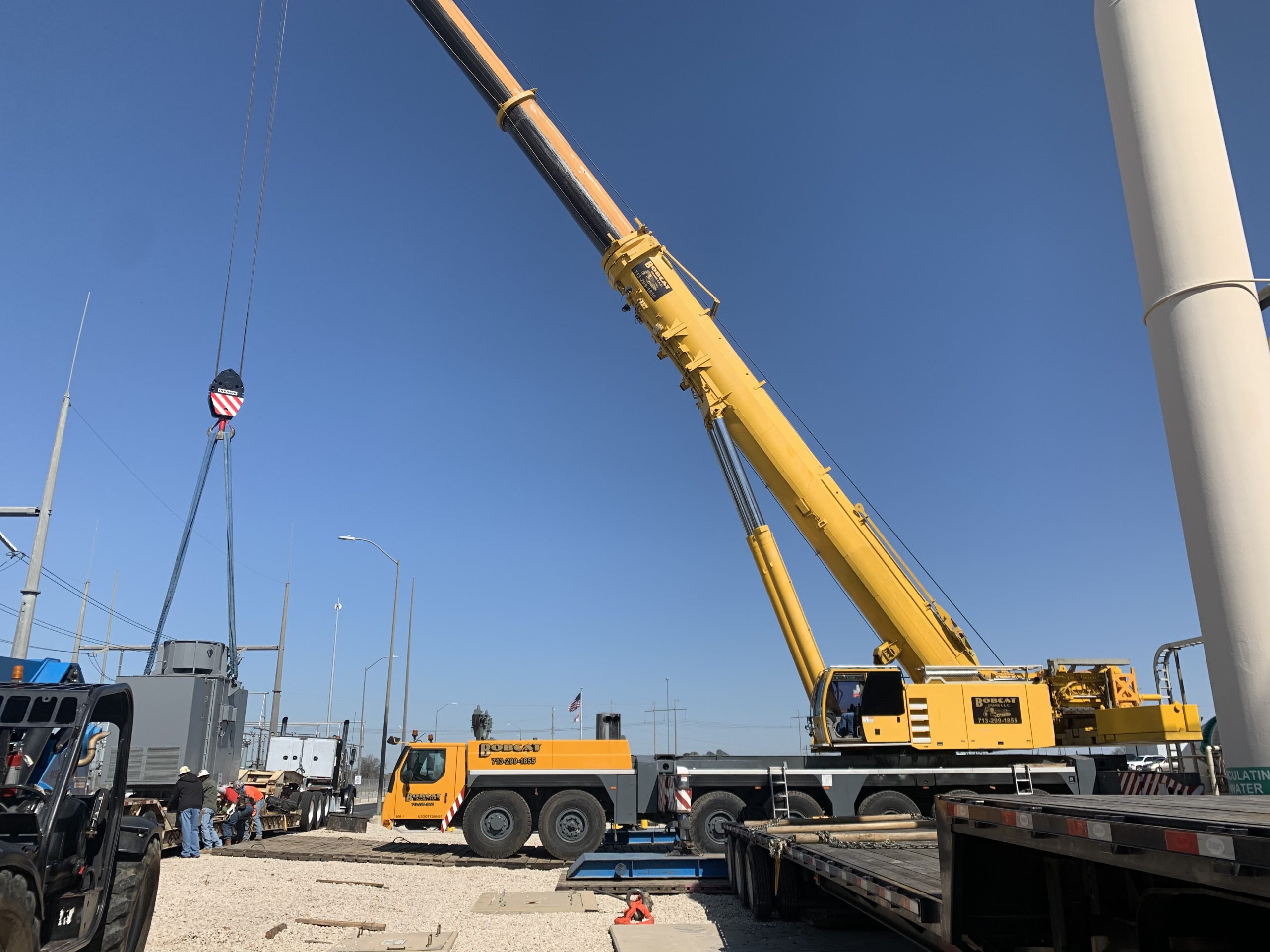
Heavy crane lifting operations are a critical aspect of construction, infrastructure development, and industrial projects. When heavy materials need to reach significant heights or traverse difficult terrain, the margin for error shrinks considerably. A single miscalculation in load capacity, operator judgment, or equipment selection can result in catastrophic consequences.
Let’s explore the most common challenges that complicate heavy crane lifting operations and the strategies professional rental companies use to mitigate these risks.
Load Stability and Weight Distribution
The physics of lifting heavy objects creates inherent instability that intensifies with height and distance from the crane’s center of gravity. Many project managers underestimate how load dynamics shift during transport, particularly when wind conditions change or the crane rotates.
Center of Gravity Complications
Irregularly shaped loads present particular difficulty because their center of gravity may not align with obvious attachment points. Steel beams, prefabricated building sections, and industrial machinery often have weight concentrated in unexpected locations. Professional crane services address this through:
- Pre-lift engineering assessments that calculate exact load characteristics and determine optimal rigging configurations
- Load testing protocols that verify stability before full elevation begins
- Advanced rigging equipment, including spreader bars and custom attachment points that distribute forces evenly
Dynamic Load Management
Once airborne, loads behave differently, creating pendulum effects that intensify during horizontal movement across a construction site. Rental companies mitigate these challenges by providing operators trained in smooth acceleration and deceleration techniques that prevent dangerous load swing.
Site Constraints and Environmental Conditions
Construction sites rarely offer ideal conditions for heavy crane lifting operations. Ground conditions, space limitations, and environmental factors create a complex puzzle that requires careful planning.
Ground Bearing Capacity
Cranes concentrate enormous weight on relatively small footprints, even with outriggers fully extended. Soft soil, underground utilities, and recent excavation work can all compromise stability. Quality rental providers conduct thorough site surveys and often supply ground protection solutions such as crane mats or engineered pad systems that distribute loads across wider areas.
Spatial Restrictions
Urban construction sites frequently lack adequate clearance for crane assembly, rotation radius, or boom extension. Rental companies maintain diverse fleets specifically to address these constraints, including:
- Compact truck-mounted cranes for tight urban environments where traditional models won’t fit
- All-terrain cranes that provide high-capacity lifting with a compact footprint and off-road capability
- Articulating boom cranes that can maneuver around obstacles that would block telescopic designs
Weather and Environmental Factors
Weather introduces another variable that can halt operations entirely. Operations typically cease when sustained winds exceed 20 to 30 miles per hour, although wind speed thresholds vary by crane type, load profile, and manufacturer specifications. Professional crane rental companies monitor forecasts closely and schedule critical lifts during optimal weather windows to prevent costly delays.
Choosing the Right Crane for the Job
Equipment selection mistakes account for a significant percentage of heavy crane lifting complications. The consequences range from an inability to complete lifts as planned to unnecessary expenses from over-specification.
Capacity vs. Configuration
Crane capacity ratings decrease substantially as boom length increases and load radius extends from the machine’s center. Rental companies provide lift planning services that account for these variables and recommend equipment that maintains adequate capacity throughout the required working range.
Specialized Equipment Needs
Certain applications demand specialized crane features that general-purpose models lack. Beyond standard mobile cranes, rental fleets often include rough terrain models for off-road sites, crawler cranes for extended project durations, and various configurations tailored to specific operational demands. Specialty attachments further expand capabilities and can include:
- Personnel baskets for elevated work positioning
- Pile driving equipment for foundation work
- Magnet systems for handling ferrous materials
Experienced rental providers ask detailed questions about project requirements before recommending equipment, preventing the common mistake of selecting cranes based solely on maximum capacity figures.
Skilled Operation and Crew Coordination
The most sophisticated crane becomes a liability without competent operation. Heavy crane lifting work requires coordination between multiple professionals whose timing and communication directly impact safety outcomes.
Operator Certification and Experience
Certification standards ensure operators understand basic safety protocols and equipment operation, but real-world experience separates adequate operators from exceptional ones. Professional rental companies employ operators with extensive experience managing diverse lifting scenarios. These professionals can anticipate problems before they develop.
Signal Communication Systems
Ground crew and operators must maintain constant communication, particularly when the operator cannot directly see the load. Rental services provide standardized hand signal training for entire lift crews and increasingly utilize radio communication systems that allow clear verbal coordination even in noisy environments.
Rigger Expertise
Proper rigging represents a specialized skill set distinct from heavy crane lifting. Professional crews include certified riggers who understand load angles, sling capacity, and connection methods. They ensure that lifting forces distribute appropriately and that attachment points can withstand the stresses involved.
Preventing Downtime and Project Delays
Equipment failure during critical project phases creates cascading schedule problems that extend timelines and inflate costs. The difference between minor inconveniences and major setbacks often comes down to how rental companies approach maintenance, support infrastructure, and compliance documentation.
- Preventive Maintenance Programs: Professional rental operations maintain detailed service records and conduct regular inspections that catch wear before it causes failure. Component replacement follows manufacturer specifications rather than waiting for problems to emerge.
- Rapid Response Support: Response times determine whether a problem causes hours of delay or days of downtime. Established companies maintain parts inventories and service teams capable of addressing mechanical issues quickly, often providing backup equipment while repairs proceed.
- Documentation and Compliance: Quality rental providers deliver complete certification packages including load charts, inspection reports, and operator credentials that satisfy regulatory requirements and project specifications.
Partner with Bobcat Contracting LLC for Heavy Crane Lifting in TX
Heavy crane lifting operations require partners who bring reliable equipment and practical expertise to your project. When construction timelines are tight and safety standards are non-negotiable, Bobcat Contracting LLC delivers the crane solutions Texas contractors depend on. Our experienced crews, maintained equipment fleet, and commitment to safe operations ensure your lifts proceed on schedule without compromising quality or safety.
Contact us at 254.582.0205 or complete our online contact form to discuss your crane rental needs and receive a detailed estimate.
