

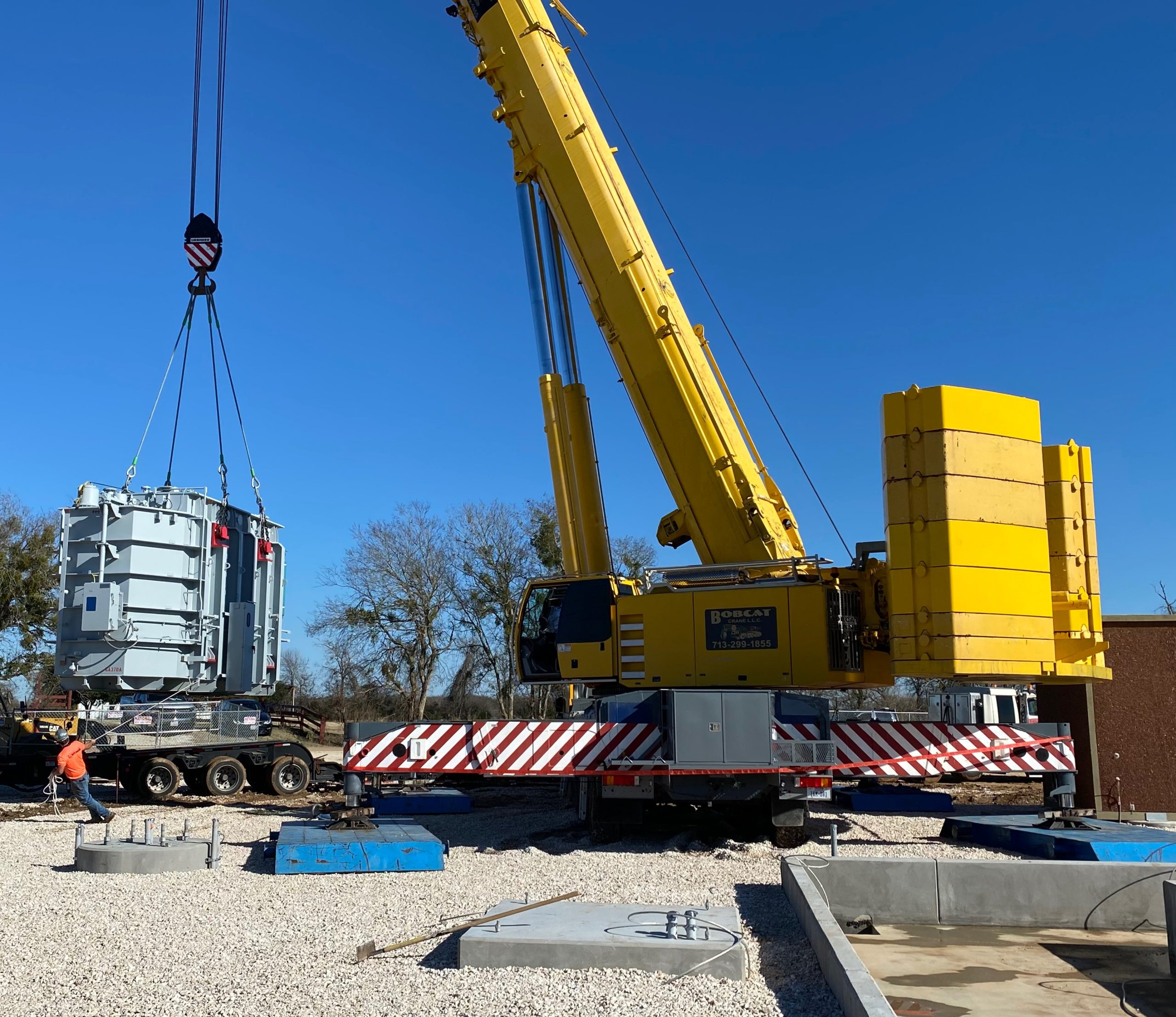
In construction, your reputation relies on your last job. For big lifts, crane rental in San Antonio is often smarter than owning. However, heavy equipment requires meticulous management of logistics, safety, and timing. A single oversight in the rental agreement can lead to costly delays and safety issues.
Renting a crane shouldn’t be a risk. It involves more than just a contract; it requires spotting and avoiding common pitfalls before they affect your project. This guide from Bobcat Contracting LLC outlines frequent crane rental traps and provides a clear plan to prevent them, keeping your project safe and on budget.
The Danger of Inadequate Site and Terrain Assessment
A common crane rental error occurs before arrival: failing to inspect the site and terrain. A crane requires solid ground to stay upright. Project leaders often assume a flat surface is stable, but hidden issues like underground pipes, heavy rain, or loose dirt can cause ground failure, leading to the crane tipping over if the surface can’t support the load.
How to avoid this: Always get a professional to survey the site. You must consider the crane’s entire footprint, which includes how far the outriggers extend. Calculate the ground bearing pressure (GBP) and confirm it meets the crane’s engineering specifications. When you work in tight city areas or near power lines, you must map out all those obstacles long before the crane gets there to avoid contact accidents.
Improper Crane Selection: Bigger Isn’t Always Better
Choosing a crane based on a hunch, opting for the largest one, or selecting one at its capacity limit are all high-risk mistakes. A crane that is too small risks being overworked, tipping, or breaking down. Conversely, a crane that is too large means unnecessary cost and logistical issues, such as requiring more space for assembly and difficult site access.
How to avoid this: Selecting a crane should be based on clear data. You absolutely must know the heaviest object’s maximum weight, the highest point it needs to be lifted to, and the horizontal distance (radius) from where the crane pivots to where the load will be set down. Talk to a lift engineer or the rental company to carefully review the load charts before settling on a specific model.
Overlooking Comprehensive Planning and Preparation
In construction, improvising is a recipe for disaster. A major crane rental error is failing to integrate the equipment into a comprehensive lift plan. Essential steps often overlooked include transportation logistics, signal person designation, and rigging gear management.
Without a detailed plan, the rented crane may sit idle, wasting project money, due to issues like missing permits or incompatible rigging equipment.
How to avoid this: Create a formal lift plan that defines the “Critical Lift” requirements. This plan needs to cover communication methods (like specific radio channels or hand signals), weather restrictions (like wind speed limits), and a clear chain of command. Make sure all necessary permits for things like closing streets or transporting oversized loads are secured several weeks ahead of time.
Financial Miscalculations Beyond the Rental Rate
Many project managers only focus on the “daily rate” or “weekly rate” when they put together the crane rental budget. This limited view is a financial trap. The real expense of renting a crane involves many factors that, if ignored, can completely derail your project’s budget.
The costs you don’t always see often include:
- Mobilization and Demobilization: The expense of moving the crane to the site and then taking it away.
- Assembly and Disassembly: For very large cranes, this may require extra support cranes and many hours of labor.
- Fuel and Maintenance: Clarify who is responsible for these charges in the contract terms.
- Operator Labor: If the rental includes the operator, be sure that overtime wages are clearly detailed.
How to avoid this: Ask for a quote that includes every potential charge. Understand the minimum number of days or weeks you must rent the machine and the fines for returning it late. By accounting for these extra costs right away, you can give your stakeholders a more realistic financial prediction and avoid unpleasant surprises when the final bill arrives.
Choosing a Provider Based Solely on Price
Perhaps the biggest mistake a company can make is selecting a crane rental service purely because they offer the lowest price. In the heavy-lifting field, you usually get exactly what you pay for. A provider who charges very little might be cutting corners on equipment upkeep, required safety certifications, or operator training.
A partner you can’t rely on can lead to equipment breaking down in the middle of a lift, a lack of expert support when problems arise, and greater legal and financial risk for your business.
How to avoid this: Check out your rental partner as if your project’s success depended on it, because it does. Look for a company with an excellent, documented safety history, a fleet that is up-to-date and well-cared-for, and a team of fully certified operators. Verify that they belong to professional industry groups and ask for references from projects similar to yours. A great partner acts as an advisor, helping you reduce risk instead of just dropping off a machine.
The Case for Proactive Risk Management
Successful crane work relies on the meeting of precise engineering and extremely careful planning. When you manage to avoid the common errors of poor site analysis, wrong equipment choice, and inadequate budgeting, you protect your finances and your workforce. Remember, a crane is far more than just a piece of equipment; it is a vital part of your project’s operation that demands respect and handling only by experts.
Contact Bobcat Contracting LLC for Crane Rental in San Antonio
If you are looking for a partner who prioritizes safety, reliability, and technical expertise, look no further than Bobcat Contracting LLC. We understand the unique challenges of the Texas landscape and provide top-tier solutions for crane rental in San Antonio.
Our team is dedicated to helping you avoid the common mistakes of heavy lifting. From comprehensive lift planning to providing expertly maintained equipment and highly skilled operators, we ensure your project stays on track and within budget.
Contact Bobcat Contracting LLC today to discuss your next project and experience the peace of mind that comes with working with the best in the industry.
