

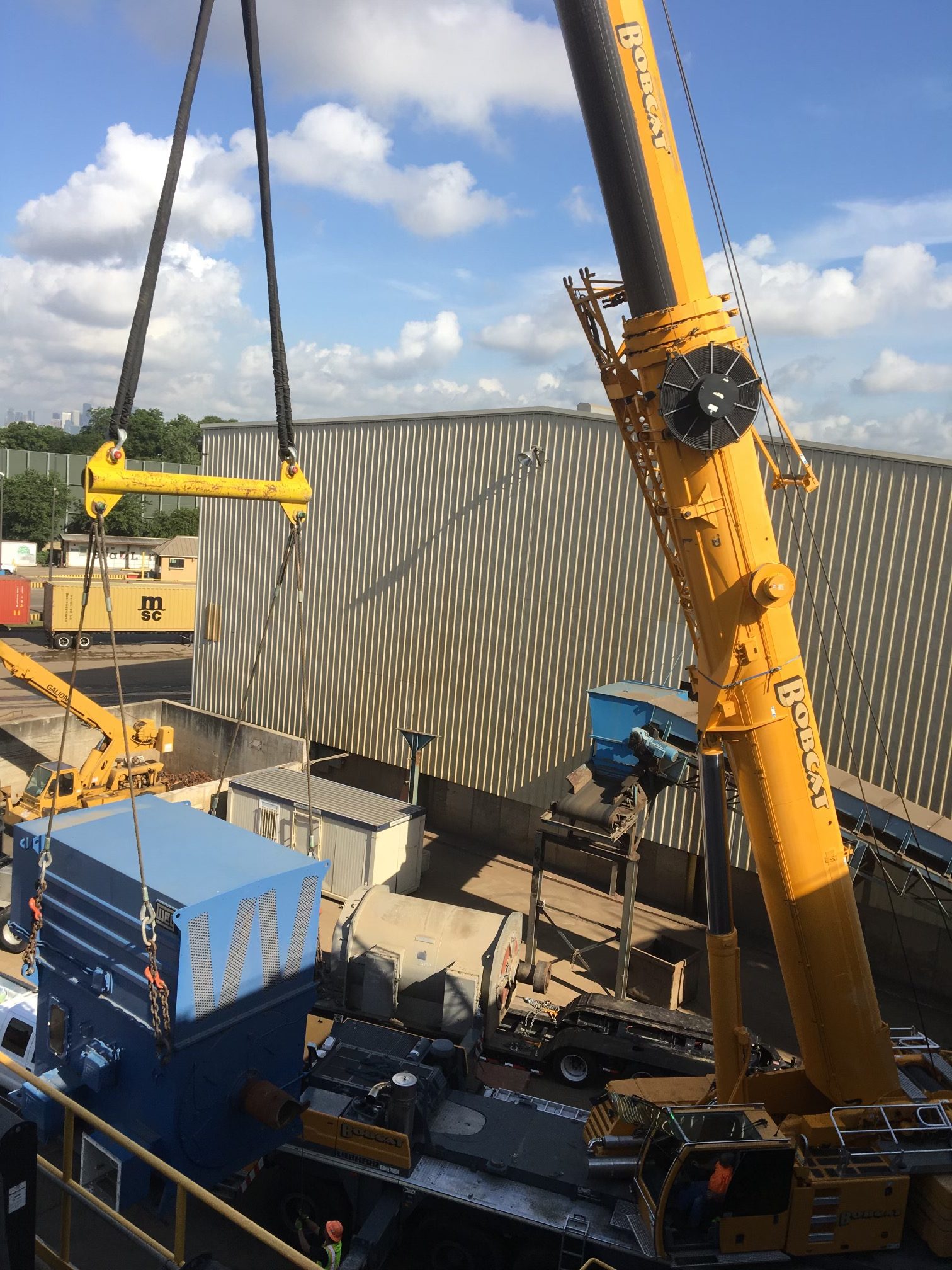
Safe lifting operations require the right equipment, careful planning, and consistent checks before work begins. In construction, industrial maintenance, and heavy material handling, rigging failures are among the most common causes of serious injuries and costly downtime. A structured approach to rigging safety helps reduce these risks and keeps lifting operations compliant and efficient.
Let’s explore the importance of an equipment checklist and what to include to help ensure safe, efficient crane and rigging operations.
Different Types of Rigging Tools and Their Functions
Rigging systems consist of multiple components that work together to control and support a load. Understanding the role of each tool helps ensure the checklist addresses the entire lifting system rather than isolated parts.
Slings
Slings connect the load to the lifting device and distribute weight across attachment points. Common options include wire rope, chain, and synthetic slings, each suited to different load types, environments, and inspection requirements. Material choice affects durability, flexibility, and resistance to heat or abrasion.
Shackles, Hooks, and Connectors
Shackles and hooks link slings to lifting equipment and load points. These components must be properly sized, securely fastened, and free from cracks, deformation, or excessive wear. Even minor damage can reduce load capacity and compromise safety.
Hoists and Lifting Devices
Hoists, cranes, and winches provide the lifting force and must be compatible with the rigging configuration. Their rated capacity, operating condition, and control systems should always be confirmed during lift planning.
The Importance of Using a Rigging Equipment Checklist
A rigging equipment checklist creates a consistent process for verifying that lifting tools are safe, correctly rated, and suitable for the planned lift. Without a checklist, inspections often rely on habit or assumption, increasing the risk that worn, damaged, or incompatible equipment remains in service.
A checklist also supports safer and more efficient job sites by reinforcing key checks before lifting begins. It helps to:
- Confirm that load ratings match the lift weight and configuration
- Ensure compatibility between slings, hardware, and lifting devices
- Reduce reliance on memory or informal inspections
- Create clear documentation for safety and compliance
By standardizing inspections, checklists help ensure that safety expectations remain consistent across crews, shifts, and job sites.
Common Rigging Failures and How Checklists Help Prevent Them
Many incidents in crane and rigging operations stem from preventable oversights rather than sudden equipment failure. When inspections are informal or rushed, small issues can go unnoticed until a lift is already underway.
Common rigging failures include:
- Slings used beyond their rated capacity due to inaccurate load estimates
- Shackles or hooks reused despite visible deformation or thread damage
- Improper sling angles that increase tension beyond safe limits
- Missing or illegible identification tags that prevent rating verification
- Hardware mismatches that compromise load stability
A rigging equipment checklist helps prevent these failures by prompting deliberate verification before lifting begins. It slows the process enough to catch issues early, when they can still be corrected without risk to personnel or equipment.
Essential Items to Include in Your Rigging Equipment Checklist
An effective crane and rigging checklist goes beyond surface-level inspection. It should account for equipment condition, load requirements, and lift-specific variables that affect safety.
Before inspecting individual components, the checklist should confirm that basic lift parameters are clearly defined. This includes knowing the total load weight, load dimensions, center of gravity, and intended lift path. Without this information, even properly maintained equipment can be used incorrectly.
Key checklist items should include:
- Verify the gross load, including the weight of the load and all rigging components
- Confirm that slings and rigging hardware are rated for the intended load and lift angles
- Inspect slings for cuts, abrasion, corrosion, broken wires, or signs of stretching
- Check shackles for cracks, deformation, damaged threads, or missing pins
- Examine hooks for deformation, excessive throat opening, and proper latch operation
- Ensure identification tags are present and legible on all rigging components
- Verify connection points are properly aligned, securely fitted, and fully engaged
The checklist should also prompt crews to consider site conditions that may affect the lift, such as limited clearance, uneven ground, wind exposure, or sharp edges that could damage slings. Incorporating these factors helps ensure the checklist supports real-world lifting conditions rather than a theoretical setup.
Any item showing damage, uncertainty, or incompatibility should be removed from service immediately. If lift conditions change at any point, the checklist should be revisited to confirm the rigging setup remains appropriate.
Lift-Specific Considerations to Include in Your Checklist
Each lift has unique demands that can affect safety and equipment selection. Teams should assess the load carefully, noting its shape, weight, and how it may shift during the operation. Attachment points must be secure and properly positioned to maintain control and prevent instability.
Environmental and site conditions can influence rigging choices and lift execution. Factors such as restricted access, ground unevenness, nearby structures, or extreme weather can affect how equipment performs and which rigging methods are safest. Including these considerations in the checklist ensures potential challenges are identified early, giving crews the opportunity to adjust equipment and procedures before lifting begins.
Applying the Checklist to Real Crane and Rigging Operations
A rigging checklist is most effective when it is treated as a working tool rather than a formality. It should be completed before each lift and revisited whenever conditions change.
In crane and rigging operations involving complex loads, multiple attachment points, or challenging site conditions, a checklist helps align everyone involved in the lift. Operators, riggers, and supervisors gain a shared understanding of the setup, reducing miscommunication and assumptions.
For contractors handling frequent or high-risk lifts, working with experienced rigging professionals can further strengthen checklist accuracy. Providers with practical crane and rigging expertise can help validate load calculations, recommend appropriate equipment, and ensure the checklist reflects site-specific demands rather than generic guidance.
Contact Bobcat Contracting LLC for Expert Crane and Rigging Support in Texas
If your project involves complex lifts, heavy loads, or challenging site conditions, our team at Bobcat Contracting LLC can help. We have extensive experience in crane and rigging operations, frequently working with teams to assess lift requirements and confirm equipment suitability. We also have expert personnel and equipment to assist with lifting projects.
Call us at 254.582.0205 or complete our online contact form to discuss your project.
